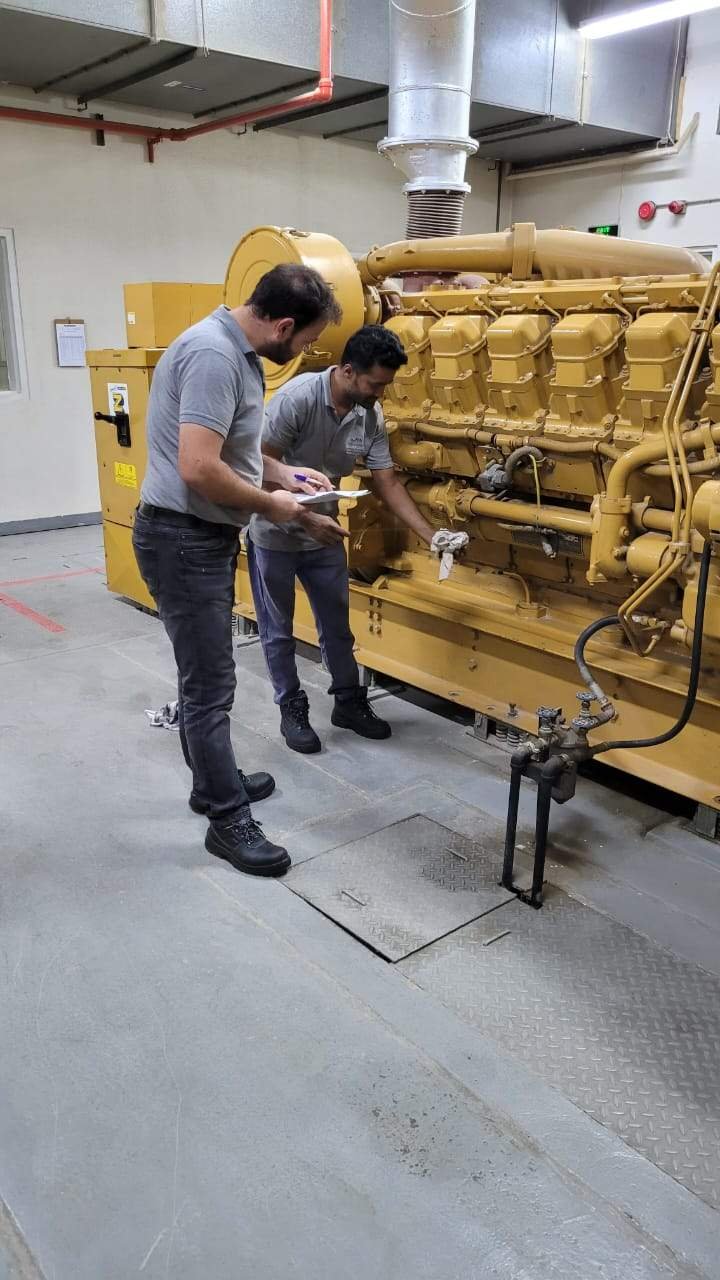
London, a city that never truly sleeps, relies on a constant flow of power to keep its homes warm, its businesses thriving, and its essential services running without interruption. From unexpected grid failures to planned outages for critical infrastructure work, the threat of losing electricity is ever-present. This is where a dependable standby generator becomes your silent guardian, ready to kick into action. But even the most robust generator is only as reliable as its last service. That's why professional Generator Maintenance & Repair London isn't just a convenience; it's an absolute necessity for ensuring that your power source remains a trustworthy safeguard, not a potential liability.
Imagine a critical data centre, a bustling hospital, or even your own London home in the depths of winter, suddenly plunged into darkness. The consequences range from minor inconvenience to significant financial loss and even risk to life. Regular, expert care transforms your generator from a static piece of equipment into a responsive, reliable energy ally.
At a Glance: Powering London's Resilience
- Generators are Critical: Essential for homes and businesses across London to withstand power outages.
- Maintenance Prevents Failure: Proactive servicing dramatically reduces the risk of unexpected breakdowns.
- Know the Warning Signs: Learn to identify common indicators that your generator needs attention.
- Choose London Expertise: Opt for 24/7, highly skilled engineers familiar with diverse generator types and the unique demands of the city.
- Emergency Readiness: Ensure your service provider offers rapid response for urgent repairs to minimise downtime.
- Tailored Solutions: Whether for a small residential unit or a large industrial complex, demand customised care.
London's Unseen Guardian: Why Generators Matter Here
In a city as dynamic and densely populated as London, the repercussions of a power outage ripple far and wide. For homeowners, it means losing heating, lights, communication, and refrigeration – potentially for extended periods, especially during severe weather. For businesses, from small shops to towering financial institutions, an outage translates directly into lost productivity, missed deadlines, damaged reputation, and significant revenue loss. Medical centres, data facilities, and public transport networks face even graver challenges, where even a momentary lapse in power can have critical implications.
This isn't about if the power might go out, but when. London's infrastructure, while robust, isn't immune to failures. Ageing components, extreme weather events, accidental damage to power lines, or even simple human error can disrupt the supply. Standby generators bridge this gap, automatically detecting an outage and seamlessly taking over the power load, often within seconds. This uninterrupted operation is crucial for maintaining security systems, keeping critical machinery online, preserving sensitive data, and simply allowing life and business to continue as normal.
But a generator that isn't properly maintained is merely a false promise of security. It's a significant investment that, without regular attention, can fail precisely when you need it most. That's why understanding the importance of expert Generator Maintenance & Repair London is the first step toward true peace of mind.
The Silent Threat: Why Proactive Generator Maintenance is Non-Negotiable
Think of your generator like a fire extinguisher: you hope you never need it, but when you do, it must work. Unlike a fire extinguisher, however, a generator has many moving parts, complex electrical systems, and relies on fuel, oil, and coolant – all of which degrade over time. Neglecting routine maintenance is akin to leaving a fire extinguisher unchecked for years; it might look fine on the outside, but its internal mechanisms could be compromised.
This neglect is the "silent threat" that leads to catastrophic failures. A build-up of sludge in the fuel system, a depleted battery, a clogged filter, or worn belts can all prevent your generator from starting or running efficiently when disaster strikes. These issues rarely announce themselves with dramatic warnings; they fester quietly, only to reveal themselves at the worst possible moment. The cost of a sudden, emergency repair, coupled with the potential losses from downtime, far outweighs the cost of a planned, routine service.
Professional Generator Maintenance & Repair London services operate on a preventive philosophy: identify and address minor issues before they escalate into major breakdowns. This approach extends the lifespan of your generator, ensures peak performance, maintains fuel efficiency, and, most importantly, guarantees its reliability when the lights go out. It's an investment in uninterrupted operations, continuous safety, and enduring confidence in your power backup solution.
Decoding Your Generator: Types and Their Unique Needs
London utilises a diverse array of generators, each with specific operational characteristics and, crucially, distinct maintenance requirements. Understanding your generator type is the first step in ensuring it receives the right kind of care. The three primary types you'll encounter are Diesel, Propane, and Natural Gas generators.
Diesel Generators: The Workhorses of London Power
Diesel generators are renowned for their robust construction, efficiency, and longevity, making them a popular choice for large commercial and industrial applications across London, as well as some residential properties. They are powerful and can run for extended periods, making them ideal for mission-critical operations like data centres, hospitals, and construction sites.
- Maintenance Focus: Diesel engines require meticulous attention to their fuel systems. Diesel fuel can degrade over time, leading to sludge and microbial growth that clogs filters and injectors. Regular fuel polishing, filter replacements (fuel, oil, air), and comprehensive component inspections, including the turbocharger and exhaust gas recirculation (EGR) system, are vital. The cooling system also needs careful monitoring to prevent overheating, which can severely damage the engine.
Propane Generators: Versatile and Clean-Burning
Propane generators offer a clean-burning fuel alternative, often favoured for residential standby power and smaller commercial applications. They can be connected to existing propane tanks or serviced with standalone tanks. Their relatively clean combustion means less carbon buildup, which can simplify some aspects of engine maintenance.
- Maintenance Focus: Key maintenance aspects for propane generators include thorough checks for fuel line leaks, ensuring the fuel regulator is functioning correctly to deliver consistent pressure, and meticulous ignition system maintenance (spark plugs, wires, coils) to guarantee reliable starting. Propane tanks and lines also need regular inspection for integrity and safety.
Natural Gas Generators: Unlimited Fuel Supply
Natural gas generators are particularly appealing in urban environments like London, as they can be directly connected to a property's natural gas line. This provides an almost unlimited fuel supply, eliminating the need for on-site fuel storage and refuelling, which is a significant advantage for long-duration outages. They are a common choice for both residential and commercial standby power.
- Maintenance Focus: While they don't have fuel storage concerns, natural gas generators require careful attention to their gas supply lines for leaks or blockages. Pressure adjustments and combustion analysis are crucial to ensure efficient and clean burning. Regular inspection of the electrical system, especially the ignition and automatic transfer switch (ATS) components, is also paramount to ensure immediate startup upon grid failure.
Regardless of the type, each generator relies on a complex interplay of mechanical, electrical, and fuel systems. Only experienced Generator Maintenance & Repair London engineers, skilled in the nuances of each type, can provide the comprehensive care needed for optimal performance and unwavering reliability.
The Anatomy of Dependability: What Professional Maintenance Entails
Professional generator maintenance is a multi-faceted process designed to meticulously inspect, service, and test every critical component of your unit. It’s far more than a simple oil change; it's a deep dive into the health of your generator, anticipating potential issues before they become costly failures.
Visual Inspections & Diagnostics
The process often begins with a thorough visual inspection. Expert engineers meticulously check for obvious signs of wear, leaks, corrosion, or damage on all external components, including wiring, hoses, belts, and the generator enclosure itself. This initial assessment is complemented by advanced diagnostic tools that monitor engine parameters, electrical outputs, and control system functionality. These tools can often detect subtle anomalies that a visual check might miss, providing a precise roadmap for any necessary adjustments or repairs.
Fluid & Filter Management
Just like a car, a generator's engine relies on clean fluids and filters for optimal operation.
- Oil & Filter Changes: Engine oil lubricates moving parts and dissipates heat. Over time, it degrades and accumulates contaminants. Regular oil changes, along with replacing the oil filter, are fundamental to engine health.
- Fuel Filter Replacement: As mentioned, fuel quality can deteriorate, especially in diesel units. Fuel filters trap impurities, but eventually become clogged. Replacing them ensures a clean fuel supply to the engine.
- Air Filter Inspection/Replacement: A clean air filter is crucial for proper combustion. A clogged filter restricts airflow, reducing efficiency and potentially causing engine damage.
- Coolant System Checks: The cooling system prevents the engine from overheating. This involves checking coolant levels, inspecting hoses and connections for leaks, and ensuring the coolant itself is at the correct concentration and free of contaminants.
Battery Health & Electrical Integrity
The battery is arguably the single most critical component for a generator's startup reliability. A dead battery means a dead generator, regardless of the engine's condition.
- Battery Inspection & Load Testing: Technicians will inspect battery terminals for corrosion, check electrolyte levels (if applicable), and perform load tests to assess the battery's ability to hold a charge and deliver the necessary cranking power.
- Electrical Connections: All electrical connections, including those to the automatic transfer switch (ATS), need to be checked for tightness and corrosion. Loose connections can lead to intermittent operation or complete failure.
Fuel System Fortification
Beyond just filters, the entire fuel system demands attention.
- Fuel Line Inspection: For propane and natural gas units, lines are inspected for leaks, kinks, or damage. For diesel, tanks are checked for water ingress and biological growth.
- Fuel Regulator Service (Propane/Natural Gas): Ensuring these components provide consistent and correct fuel pressure is vital for engine performance.
- Fuel Polishing (Diesel): For generators with large, stored diesel fuel tanks, fuel polishing can remove water, sludge, and microbial contaminants, maintaining fuel quality.
Cooling & Exhaust System Checks
These systems are crucial for safe and efficient operation.
- Radiator & Fan Inspection: The radiator fins need to be free of debris for efficient cooling, and the fan belt and motor must be in good working order.
- Exhaust System Inspection: Checks for leaks in the exhaust manifold, muffler, and piping are essential to prevent dangerous carbon monoxide buildup and ensure proper engine backpressure.
Load Testing: The Ultimate Stress Test
Perhaps the most critical part of comprehensive maintenance is performing an operational test under load. This simulates a real power outage, allowing the generator to run at or near its full capacity. This test confirms that:
- The generator starts reliably.
- It can bear the required electrical load.
- All systems (engine, cooling, electrical) perform correctly under stress.
- The automatic transfer switch (ATS) properly transfers the load and switches back to grid power when restored.
Without regular load testing, you simply can't be sure your generator will perform when you need it most. It’s the definitive proof of readiness, ensuring your London property is truly resilient. Explore Generator London here for more insights into securing your power.
Trouble Brewing? Recognizing When Your Generator Needs Immediate Repair
While proactive maintenance significantly reduces the risk of breakdowns, even well-maintained generators can encounter issues. Knowing the warning signs allows you to act quickly, preventing minor problems from escalating into major, costly repairs or, worse, complete failure during an outage.
When the Engine Refuses to Start
This is perhaps the most alarming sign. If your generator's engine cranks but won't catch, or doesn't crank at all, it could indicate several issues:
- Battery Problems: A dead or weak battery is a common culprit.
- Fuel Supply Issues: Low fuel, a clogged fuel filter, or problems with the fuel pump or lines.
- Ignition System Failure: Faulty spark plugs or ignition coils in gas/propane units.
- Control Panel Errors: A fault in the generator's control system preventing startup.
Power Output Problems
Your generator starts, but it's not producing power, or the power it provides is inconsistent (e.g., flickering lights, devices not running correctly).
- Alternator Issues: Problems with the generator's alternator, which converts mechanical energy into electrical energy.
- Voltage Regulator Malfunction: The voltage regulator ensures a stable output voltage. A fault here can lead to under- or over-voltage.
- Circuit Breaker Trips: A tripped circuit breaker on the generator itself could be preventing power delivery.
Overheating Alarms
If your generator frequently overheats, indicated by warning lights or shutdowns, it's a critical issue requiring immediate attention.
- Cooling System Malfunction: Low coolant levels, a faulty fan, a blocked radiator, or a failing water pump.
- Overloading: The generator might be struggling to handle the connected electrical load.
- Restricted Airflow: Blockages around the generator enclosure preventing proper ventilation.
Frequent, Unexplained Shutdowns
A generator that frequently shuts down unexpectedly could be experiencing a range of problems.
- Safety Shutdowns: Modern generators have sophisticated protection systems that shut down the unit to prevent damage if they detect issues like low oil pressure, high engine temperature, or low coolant.
- Fuel Issues: Intermittent fuel delivery can cause the engine to stall.
- Sensor Malfunctions: Faulty sensors can trigger false alarms, leading to unnecessary shutdowns.
Unusual Noises or Vibrations
Generators make noise, but any sudden change in sound or the appearance of excessive vibration is a red flag.
- Worn Components: Loose or worn engine components, bearings, or belts.
- Mounting Issues: The generator might not be securely mounted, causing it to vibrate excessively.
- Exhaust System Problems: A crack in the exhaust manifold or muffler can lead to louder, unusual noises.
Leaks, Smells, and Smoke: Urgent Warning Signs
These are typically clear indicators of a serious problem and require immediate professional intervention.
- Fuel Leaks: Any visible fuel leak (diesel, propane, natural gas) is a fire hazard and indicates a serious breach in the fuel system. Unusual fuel smells are also a concern.
- Oil or Coolant Leaks: Puddles beneath your generator suggest a fluid leak that needs prompt repair.
- Excessive Smoke:
- Blue Smoke: Often indicates burning oil.
- White Smoke: Can suggest coolant burning or unburnt fuel (especially in cold weather).
- Black Smoke: Typically points to an issue with combustion, such as clogged air filters or faulty injectors, leading to incomplete fuel burning.
Ignoring any of these signs risks not only the reliability of your generator but also potential safety hazards. When you notice any of these symptoms, it's time to call in experts for Generator Maintenance & Repair London to diagnose and fix the issue promptly.
Choosing Your Power Partner: What to Look for in Generator Maintenance & Repair London Services
When your London home or business relies on a generator, selecting the right maintenance and repair service is paramount. You're not just looking for a technician; you're seeking a trusted partner who understands the unique demands of uninterrupted power. Here’s what to prioritise when making your choice:
24/7 Availability: Powering Through Emergencies
Power outages don't adhere to business hours. A generator service that offers 24/7 emergency repair and support is non-negotiable for London businesses and critical infrastructure. This ensures that no matter when a problem arises—be it the middle of the night or a bank holiday weekend—skilled engineers are available to respond quickly. This rapid response capability minimises downtime, safeguarding your operations and peace of mind.
Expertise Across All Generator Types
London is home to a diverse range of generators, from compact residential units to powerful industrial systems, running on diesel, propane, or natural gas. Your chosen service provider must employ engineers who are highly skilled and certified to work on all makes and models. This ensures they possess the nuanced knowledge required for specific diagnostic procedures, maintenance schedules, and repair techniques relevant to your particular generator type, delivering tailored solutions rather than a one-size-fits-all approach.
Advanced Diagnostics & Tailored Solutions
The best service providers leverage the latest technology for optimal efficiency. This includes sophisticated diagnostic equipment that can pinpoint issues quickly and accurately, often before they become obvious. Beyond simple repairs, look for a service that offers tailored maintenance plans. Whether you have a generator that runs daily or one that only operates during emergencies, a customised schedule, based on usage patterns and environmental factors, will ensure your unit receives the precise care it needs without over-servicing.
Preventive Planning: Beyond Just Fixing Problems
A truly excellent Generator Maintenance & Repair London company won't just react to problems; they'll help you prevent them. This involves proactive advice on optimising generator placement, ventilation, fuel storage (for diesel/propane), and load management. They should be partners in long-term power resilience, offering insights and upgrades that enhance your generator's performance and extend its lifespan.
Local London Presence and Rapid Response
While some providers may offer nationwide reach, a strong local presence within London often translates to faster response times for both routine maintenance and critical emergencies. Engineers who are familiar with London's unique logistical challenges, traffic patterns, and diverse property types can reach you more efficiently, further reducing potential downtime. Look for providers with a proven track record of fast, effective support and a commitment to minimal disruption for their clients. Their understanding of local regulations and infrastructure can also be invaluable.
By prioritising these factors, you can confidently select a Generator Maintenance & Repair London partner who will not only keep your generator in prime condition but also act as a crucial part of your overall business continuity or home safety plan.
Beyond the Basics: Common Generator Questions & Smart Tips
Navigating generator ownership can bring up various questions. Here are some common queries and practical tips to help you stay ahead.
DIY vs. Professional Service: Where to Draw the Line
While basic visual checks are commendable, most generator maintenance and all repairs should be left to certified professionals.
- What you can do: Regularly check fuel levels, ensure the generator area is clear of debris, listen for unusual noises during its weekly exercise cycle, and visually inspect for obvious leaks. Always keep the area clean and accessible.
- What requires a professional: Anything involving opening the engine, working with electrical components, changing oil and filters, load testing, fuel system cleaning, or diagnosing error codes. Generators involve high voltage and complex mechanical systems that can be dangerous if mishandled. The intricate calibration and specialised tools required for thorough servicing go far beyond the average DIY enthusiast's capabilities. Attempting complex tasks yourself can void warranties, lead to further damage, and pose significant safety risks.
Understanding Your Generator's Warranty
Your generator's warranty is a critical document. Be sure to understand its terms and conditions, especially regarding maintenance requirements. Many manufacturers specify that routine servicing must be performed by certified technicians using approved parts to keep the warranty valid. Neglecting scheduled maintenance or attempting unauthorised repairs can easily void your coverage, leaving you responsible for the full cost of any major breakdowns. Keep meticulous records of all professional services performed, including dates, work descriptions, and receipts. This documentation is invaluable should a warranty claim become necessary.
The Importance of Load Testing (Again!)
We've touched on load testing, but it bears repeating: it's incredibly important. Running your generator for a few minutes with no load simply isn't enough to confirm its readiness. It needs to be subjected to a significant portion of its rated capacity (e.g., 50-75% of max load) for a sustained period, typically 30-60 minutes, at least annually. This is the only way to:
- Burn off residual fuel: Prevents "wet stacking" (unburnt fuel and oil residue buildup) which can occur when a diesel generator runs on light loads.
- Identify weaknesses: Reveals issues that only appear under stress, such as overheating, voltage fluctuations, or sensor failures.
- Ensure optimal performance: Confirms all systems, including the transfer switch, are communicating and functioning correctly under real-world conditions.
Skipping load testing is like having a lifeboat you never tested in the water; you don't know if it will float until you're already sinking.
Smart Tip: Monitor Your Fuel
For diesel and propane generators, pay close attention to your fuel supply. Diesel fuel has a shelf life and can degrade, especially when stored in tanks for extended periods. Consider fuel stabilisers or a fuel polishing service if your diesel generator isn't used frequently. For propane, always monitor tank levels to ensure you have an adequate supply, particularly before predicted bad weather. For natural gas, while supply is constant, ensure your gas meter and lines are clear and accessible, and that all shut-off valves are in good working order.
By understanding these aspects, you empower yourself to make informed decisions about your generator’s care and contribute significantly to its long-term reliability.
Securing Your London Power Future: Your Next Steps
In a bustling metropolis like London, reliable power isn't a luxury; it's the bedrock of modern life and business. Your generator stands as your last line of defence against outages, but its true strength lies in consistent, expert care. From the moment you invest in a generator, you're not just buying a machine; you're investing in peace of mind, operational continuity, and the safety of your property.
Proactive Generator Maintenance & Repair London is the key to unlocking that peace of mind. It's about ensuring that when the grid falters, your backup power system kicks in seamlessly, without hesitation. Don't wait for a power cut to discover your generator has failed. Embrace a preventive approach, recognise the warning signs, and partner with a reputable London-based service provider that offers 24/7 expertise across all generator types. They will provide the tailored solutions, advanced diagnostics, and rapid response capabilities essential for the city's unique demands.
Take the decisive step today. Review your generator's last service date, check its operational status, and reach out to a professional service. Secure your power future in London, ensuring that your home remains illuminated and your business stays online, no matter what challenges arise.