London, a city that never truly sleeps, hums with an incessant energy, from the subterranean rumble of the Tube to the constant flow of traffic across its bridges. But beneath this vibrant pulse lies an often-unseen layer of resilience: the generator. When the grid falters, these powerhouses ensure that the city's vital organs — its transport, healthcare, digital networks, and countless businesses — continue to function without missing a beat. Understanding the various Types of Generators for London is not just about backup power; it's about safeguarding continuity, ensuring public safety, and upholding the city's economic heartbeat.
This guide delves into the crucial role generators play in keeping London operational, exploring the different types available and helping you navigate the complexities of selecting, installing, and maintaining the right solution for your specific needs.
At a Glance: Powering London's Resilience
- Generators are indispensable for London's continuous operation, keeping vital infrastructure like the Underground, airports, hospitals, and traffic systems running during power outages or planned works.
- Diverse Needs, Diverse Solutions: London requires various generator types, from robust diesel units for heavy industry to quiet hybrids for events and compact portables for temporary sites.
- Environmental Shift: There's a growing push towards cleaner options like gas-powered and hybrid generators to align with London's ambitious environmental policies.
- Beyond the Box: Key considerations include power output, fuel type, noise levels, emissions regulations, installation space, and total cost of ownership.
- Maintenance is Critical: Regular servicing and advanced control systems are vital for ensuring reliability, efficiency, and preparedness for any power emergency.
- Rapid Response: 24/7 emergency repair services are available to swiftly tackle critical issues and minimize downtime.
Why London Can't Afford to Go Dark: The Unseen Grid of Resilience
Imagine London without power. Traffic lights cease to function, the Underground grinds to a halt, and hospitals struggle to maintain life support. This isn't a dystopian fantasy; it's a constant threat that demands proactive solutions. Generators are the critical backbone for London's reliability and public safety, acting as an essential safeguard against power failures and providing dependable, continuous power.
From the intricate web of the London Underground, which relies on generators to power lighting, signalling, escalators, ventilation, and critical communication networks, to mainline railway hubs like King’s Cross and Waterloo supporting ticketing, lifts, and digital information, generators are fundamental. Even our roads depend on them to keep traffic lights, cameras, digital signage, and tunnel systems (like Blackwall and Rotherhithe) operational, managing congestion and ensuring safety.
The city's global connectivity hinges on uninterrupted power at airports like Heathrow and Gatwick, where generators maintain runway lighting, baggage systems, and air traffic control. More critically, hospitals and emergency infrastructure depend directly on these machines to power life-saving medical equipment and communications. Even your daily commute, relying on Oyster and contactless payments, is supported by data centres and communication systems with layered backup power from generators.
Whether it’s a large public event needing power for stages and security, or a construction site driving heavy machinery, generators reduce dependence on the main supply and prevent widespread service interruptions. This continuous, dependable power enhances public safety and contributes significantly to London's overall resilience and adaptability.
Decoding Generator Types: Your Power Arsenal for London
Choosing the right generator for London requires more than just picking the biggest or cheapest option. It's about matching specific needs with the right technology, considering everything from power demand and operating environment to noise restrictions and environmental compliance. Let's break down the main types you'll encounter.
Diesel Generators: The Workhorse of London's Backup Power
When reliability and sheer power output are paramount, diesel generators have traditionally been the undisputed champions. They are robust, highly efficient for continuous operation, and renowned for their durability, making them a common sight across London’s critical infrastructure.
What makes them tick: Diesel engines are known for their high torque and fuel efficiency under heavy loads. They offer excellent fuel storage stability and can deliver consistent power for extended periods, making them ideal for long-term backup or prime power applications.
Where they shine in London:
- Hospitals and Data Centres: Absolutely non-negotiable for critical backup power, where even a momentary interruption is unacceptable.
- Mainline Railway Stations & Underground Depots: Powering essential signalling, communication, and safety systems.
- Large Construction Sites: Providing prime power for heavy machinery where grid access might be limited or nonexistent.
- Industrial Facilities: Ensuring continuous production processes.
The trade-offs: While powerful, diesel generators do come with higher emissions compared to gas or hybrid options. They also require careful fuel management, including secure on-site storage and regular quality checks to prevent issues like "diesel bug." As London pushes for cleaner air, the environmental footprint of older diesel units is under increasing scrutiny, prompting a shift towards more modern, compliant engines or alternative fuels. If you're considering a robust, long-term power solution, exploring diesel generator solutions tailored for urban environments is a crucial first step.
Gas-Powered Generators: Cleaner Power, Smarter Choice?
Gas generators offer a compelling alternative to diesel, especially for businesses keen to reduce their carbon footprint and leverage existing natural gas infrastructure. They typically run on natural gas or propane, burning cleaner and producing fewer particulate emissions.
What makes them tick: Connected directly to a natural gas line, these generators offer an almost unlimited fuel supply, eliminating the need for on-site fuel storage tanks. This can be a significant advantage in densely populated urban areas where space is at a premium and fuel delivery logistics can be complex.
Where they shine in London:
- Commercial Buildings and Offices: Ideal for reliable backup power without the hassle of fuel deliveries.
- Hospitals with Gas Infrastructure: A cleaner, continuous alternative for critical systems.
- Residential Developments: Suitable for smaller, localized power needs, often with lower noise profiles.
- Data Centres: While some prefer diesel for absolute fuel independence, gas offers cost-effective, continuous power with reduced environmental impact, often used in conjunction with UPS systems.
The trade-offs: Their dependency on a gas line means they're not suitable for remote locations without access. Installation can also be more complex due to gas line connections and safety regulations. While emissions are lower than diesel, they are not zero.
Hybrid Generator Systems: The Best of Both Worlds
Hybrid generators represent a sophisticated evolution in power generation, combining a traditional diesel generator with a battery storage system. This innovative approach offers significant advantages in fuel efficiency, noise reduction, and environmental performance.
What makes them tick: The intelligent control system manages power flow, allowing the generator to run only when needed to charge the batteries or meet peak demand. During periods of low load, the system can shut down the generator and draw power solely from the batteries, significantly reducing fuel consumption, emissions, and noise.
Where they shine in London:
- Events and Festivals: Providing silent power during performances or overnight, then running the generator efficiently during peak demand.
- Construction Sites: Reducing fuel costs and emissions, especially in areas with strict environmental regulations.
- Temporary Sites in Sensitive Areas: Ideal where noise and air quality are critical concerns, such as near residential zones or during night work.
- Film Sets: Delivering quiet, reliable power for sensitive audio recording environments.
The trade-offs: Hybrid systems typically have a higher initial capital cost due to the added battery and control technologies. However, these costs are often offset by long-term fuel savings and reduced operational expenses. They also require more complex control systems and potentially more specialized maintenance.
Portable Generators: On-the-Go Power for London's Dynamic Needs
Not every power requirement demands a fixed, industrial-scale solution. Portable generators offer flexibility and convenience for smaller, temporary power needs across the city.
What makes them tick: These compact units are designed for easy transport, typically running on petrol, diesel, or even LPG. They provide power for tools, lighting, and smaller appliances, making them indispensable for mobile operations.
Where they shine in London:
- Small Construction or Renovation Projects: Powering drills, saws, and lighting for quick jobs.
- Market Stalls and Food Trucks: Enabling cashless payments, lighting, and refrigeration at outdoor events.
- Emergency Repairs: Providing temporary power for essential equipment during rapid response situations.
- Outdoor Events and Filming: Supplementing power for specific zones or equipment.
The trade-offs: Portable generators are generally not suitable for continuous, heavy-duty operation. They have limited power output, often higher noise levels (though silent portable options exist), and require frequent refueling. Safety considerations, especially regarding carbon monoxide emissions, are paramount when using them in enclosed or poorly ventilated spaces.
Silent Generators: Keeping London Running Quietly
In a city as densely populated as London, noise pollution is a significant concern. Silent generators are specifically designed to operate with minimal acoustic impact, making them invaluable for sensitive urban environments.
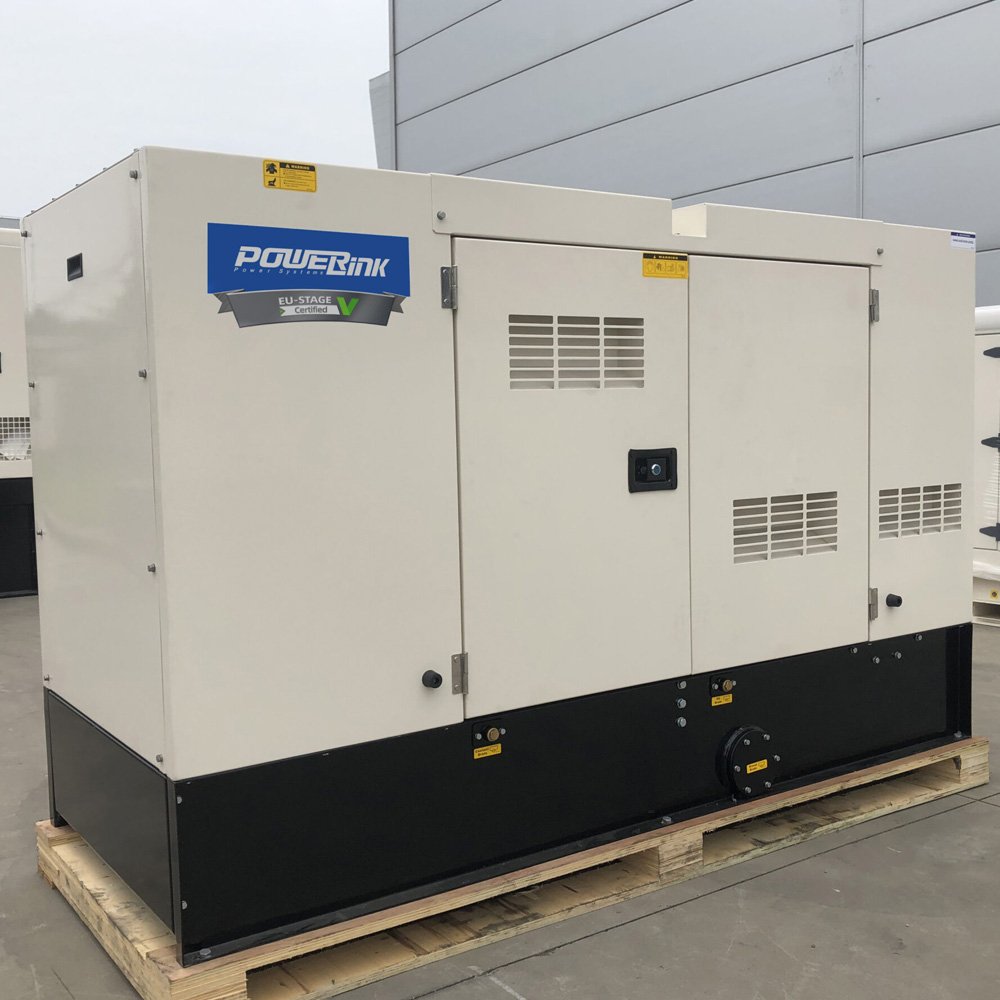
What makes them tick: These generators feature advanced acoustic enclosures, specialized exhaust systems, and anti-vibration mounts to significantly reduce operational noise levels. They are often available in diesel, gas, or hybrid configurations, combining quiet operation with various fuel efficiencies.
Where they shine in London:
- Events in Residential Areas: Ensuring public gatherings cause minimal disturbance to local residents.
- Film and Television Production: Providing power on set without interfering with sensitive audio recording.
- Hospitals and Healthcare Facilities: Maintaining a tranquil environment while delivering critical backup power.
- Temporary Offices or Pop-Up Retail: Offering power solutions without disrupting the surrounding urban fabric.
The trade-offs: The specialized acoustic enclosures and engineering often make silent generators more expensive than their standard counterparts. They can also be larger and heavier due to the soundproofing materials. However, for many London applications, the ability to operate quietly is a non-negotiable requirement. If your operations demand discretion, exploring silent generator options is essential for maintaining harmonious city operations.
Emergency Standby Generators: The Unsung Heroes
Emergency standby generators are specifically designed to kick in automatically the moment grid power fails. They are the unsung heroes ensuring continuous operation for London's most critical services.
What makes them tick: The key component of a standby system is the Automatic Transfer Switch (ATS). This intelligent device constantly monitors the main power supply. When an outage occurs, the ATS detects the loss of power, signals the generator to start, and once the generator reaches optimal operating voltage, it seamlessly transfers the electrical load from the grid to the generator. When grid power is restored, the ATS reverses the process.
Where they shine in London:
- Hospitals and Medical Facilities: Powering life support, operating theatres, and critical diagnostic equipment.
- Data Centres: Ensuring uninterrupted connectivity and data integrity for London's digital backbone.
- Traffic Management Systems: Keeping traffic lights and tunnel ventilation running to prevent chaos.
- Emergency Services Buildings: Maintaining communication and operational capabilities for police, fire, and ambulance services.
- High-Rise Commercial Buildings: Powering essential lifts, lighting, and safety systems.
The trade-offs: These systems require professional installation and commissioning to ensure proper integration with existing electrical infrastructure. Regular testing and maintenance are crucial to guarantee they will perform flawlessly when called upon. For those businesses whose very existence depends on continuous power, investing in a robust emergency standby system is not merely an option, but a necessity.
Beyond the Box: Key Considerations for London Generator Selection
Choosing a generator in London isn't just about picking a type; it's about navigating a specific urban landscape with unique demands. Here’s what you need to think about once you know which types might suit you.
Power Output (kVA/kW): Sizing Your Solution
The first, and arguably most critical, decision is determining the correct power output. Too small, and your generator won’t handle the load; too large, and you’re overspending on equipment and fuel.
- Calculate Your Load: List all the equipment you need to power, noting their running wattage and any surge (starting) wattage. This often requires an expert assessment.
- Consider Future Growth: London is always evolving. A generator is a significant investment, so consider potential expansion or increased power needs down the line.
- Standby vs. Prime Power: Are you looking for occasional backup (standby) or continuous, primary power (prime)? Prime power generators are designed for heavier, sustained use.
An accurately sized generator ensures efficient operation, prolongs the unit's lifespan, and avoids costly downtime.
Fuel Type & Storage: Logistics and Environmental Impact
The choice of fuel deeply impacts operational costs, logistical challenges, and environmental compliance, particularly in London.
- Diesel: Offers high energy density and straightforward storage in tanks. However, fuel quality needs vigilance (e.g., preventing "diesel bug"), and emissions are a concern. Secure, compliant storage is critical in urban settings.
- Natural Gas: Provides an "unlimited" supply via the gas grid, eliminating on-site storage and refueling logistics. It burns cleaner, reducing local emissions. However, reliance on the gas grid means vulnerability to gas supply disruptions.
- LPG (Propane): A good option for smaller portable units or in areas without natural gas access. It's cleaner burning than diesel but requires on-site tank storage, similar to diesel, with its own safety regulations.
- Hybrid: Combines diesel with battery storage, significantly reducing overall fuel consumption and emissions. This is often the most environmentally conscious choice for temporary power, aligning with London's green agenda, but comes with a higher initial investment.
Navigating the complexities of fuel type and storage within London's regulatory framework is a key differentiator in planning your power strategy.
Noise Levels: London's Hush Zones
London is a bustling metropolis, but it also has strict noise regulations, especially in residential or mixed-use areas. A generator running continuously or even intermittently can quickly become a nuisance or, worse, a violation.
- Decibel Ratings (dB): Always check the specified noise levels at a given distance.
- Acoustic Enclosures: Most generators designed for urban use come with robust sound-attenuating enclosures.
- Silent and Super-Silent Options: These are purpose-built to minimize noise and are essential for events, film sets, hospitals, or any location near homes or offices.
- Planning Permissions: For permanent installations, noise assessment will be a critical part of your planning application.
Failing to account for noise can lead to complaints, fines, and even forced shutdown, making silent generator options a wise investment for many London-based operations.
Emissions & Regulations: Navigating London's Green Agenda
London is at the forefront of environmental initiatives. Generator emissions are a growing concern, impacting air quality and contributing to climate change.
- ULEZ (Ultra Low Emission Zone): While primarily for vehicles, the spirit of ULEZ extends to all equipment operating within the city. Older, non-compliant generators may face restrictions or penalties if used on mobile applications within the zone.
- Non-Road Mobile Machinery (NRMM): London has specific regulations for NRMM, including generators, particularly concerning NOx and particulate matter emissions. These require compliance with specific engine emission stages (e.g., EU Stage V).
- Shift to Cleaner Fuels: There's a strong drive towards gas-powered, hybrid, and even renewable-linked generators, especially for construction sites and events, to align with the city's environmental policies.
Understanding and adhering to these environmental guidelines is not just good corporate citizenship; it’s a legal necessity that can influence your choice of generator type and technology.
Installation & Space Requirements: Fitting into the Urban Fabric
London's dense urban environment presents unique challenges for generator installation. Space is at a premium, and logistical access can be complex.
- Footprint: Consider the physical size of the generator, its enclosure, and any associated fuel tanks or cooling systems.
- Ventilation: Generators require adequate airflow for cooling and exhaust. This often necessitates careful planning for ducting and exhaust stacks, especially for indoor installations.
- Access: Can heavy equipment be delivered and positioned easily? Are there height or weight restrictions for transport routes?
- Permits and Planning: Permanent installations often require planning permission, building control approval, and environmental permits, all of which need expert navigation.
Working with experienced providers who understand London's specific logistical and regulatory landscape is crucial for a smooth installation process.
Cost: Balancing Investment and Resilience
The total cost of ownership extends far beyond the initial purchase price of the generator.
- Initial Capital Outlay: Purchase price varies significantly by type, size, and features (e.g., silent enclosures, advanced control systems).
- Installation Costs: Can include electrical work, fuel line connections, exhaust systems, concrete pads, and crane hire for positioning.
- Fuel Costs: Ongoing expense, influenced by fuel type and generator usage hours.
- Maintenance and Servicing: Regular preventative maintenance, oil changes, filter replacements, and load testing are essential.
- Insurance: Protecting your investment and ensuring liability coverage.
- Downtime Costs: Crucially, calculate the cost of not having power. For many London businesses, even an hour of downtime can run into thousands, making a generator a vital insurance policy.
A thorough cost-benefit analysis, factoring in both direct and indirect costs, is vital to make an informed decision that balances immediate expenses with long-term resilience.
Keeping the Lights On: Maintenance, Monitoring, and Emergency Support
A generator is only as reliable as its upkeep. For London's critical operations, a 'fit and forget' approach simply won't cut it. Proactive maintenance, smart monitoring, and rapid emergency response are paramount to ensuring your power solution is always ready to perform.
The Lifeline of Longevity: Why Generator Maintenance is Non-Negotiable
Just like any complex machinery, generators require regular attention to perform optimally and reliably, especially when called upon in an emergency. Robust maintenance isn't just about fixing things when they break; it's about prevention.
What comprehensive maintenance entails:
- Preventative Checks: Routine inspections of all major components, wiring, and connections.
- Load Testing: Periodically running the generator under a simulated load to ensure it can handle your full power requirements and burn off any accumulated carbon deposits.
- Fuel System Inspections: Checking fuel quality, filters, lines, and tanks for contaminants or leaks.
- Coolant and Oil Checks: Monitoring levels, quality, and replacing fluids according to manufacturer schedules.
- Battery Health Checks: Ensuring starting batteries are charged and in good condition.
The tangible benefits: Regular servicing is crucial for long-term performance, ensuring peak reliability, lower operational costs through efficiency, an extended generator lifespan, and, most importantly, emergency preparedness. Neglecting maintenance is a gamble no London business can afford to take. To protect your investment and ensure uninterrupted power, explore expert generator maintenance services tailored for the demands of the city.
Smart Power: The Role of Advanced Control Systems
Modern generators are far more than just engines and alternators; they are sophisticated power management systems, often driven by intelligent control units. These systems are the brains behind seamless power transitions, efficient load management, and real-time monitoring.
Key features and their impact:
- Automatic Transfer Switches (ATS): As discussed, these ensure instantaneous, seamless transitions between grid power and generator power, critical for preventing downtime.
- Live Performance Dashboards: Provide real-time data on generator status, fuel levels, engine parameters, and power output.
- Remote Management Capabilities: Allow operators to monitor and even control generators from off-site, essential for geographically dispersed assets or unmanned facilities.
- Load Shedding: Intelligently manages power distribution by temporarily disconnecting non-essential loads if the generator nears its capacity, preventing overload.
- Real-Time Fault Detection and Alerts: Immediately notifies operators of any anomalies or potential failures, enabling proactive intervention before a major issue arises.
These control systems automate operations, reduce the need for manual intervention, and ensure efficient, reliable power distribution. For businesses in London, where operational continuity is paramount, investing in generators with advanced control systems is a strategic decision that enhances resilience and reduces operational risk.
When Disaster Strikes: Emergency Generator Repairs in London
Even with the best maintenance and smart monitoring, unexpected issues can arise. When a critical generator malfunctions, especially during a power outage, rapid response is not just helpful—it’s absolutely essential to minimize business downtime and protect critical services.
Common issues requiring urgent attention:
- Fuel System Failures: Blocked filters, contaminated fuel, or pump issues.
- Battery Problems: Dead or faulty starting batteries are a frequent cause of generator failure.
- Electrical Malfunctions: Wiring issues, circuit breaker trips, or alternator problems.
- Overheating: Caused by low coolant, clogged radiators, or fan failures.
- Control System Failures: Software glitches or hardware faults preventing automatic startup or proper operation.
The importance of rapid response: Many providers offer 24/7 emergency repair services, understanding that power issues don't adhere to business hours. Their goal is to diagnose the problem quickly, deploy skilled technicians, and restore power as fast as possible. Having a trusted partner for emergency repair services is a cornerstone of any robust power continuity plan for London's dynamic environment.
The Future of London's Power Resilience: Greener, Smarter, Stronger
As London continues its journey towards a smarter, more sustainable future, the role of generators is evolving. We're seeing increasing integration with renewable energy sources like solar and wind, sophisticated battery storage solutions, and advanced grid-balancing technologies. The trend is clear: cleaner, quieter, and more intelligently managed power solutions will define London’s resilience in the years to come. This is especially true for businesses looking to truly Discover Generator London and its comprehensive solutions.
Your Next Step: Securing London's Power Future
Navigating the complexities of generator types, environmental regulations, installation logistics, and ongoing maintenance in a city as unique as London can be daunting. From emergency backup for a busy hospital to temporary power for a film shoot, the specific needs are vast, and the right solution requires expert guidance.
Choosing the right power partner is crucial. Look for providers with a deep understanding of London’s unique challenges and regulations, offering a comprehensive range of generator types—including generator hire services in London—and robust support services from installation to 24/7 emergency repairs. Investing in the right generator isn't just about buying a piece of equipment; it's about investing in the uninterrupted operation, safety, and resilience of your London enterprise. Take the proactive step to assess your power needs today, ensuring that your operations remain vibrant and uninterrupted, whatever the grid throws your way.